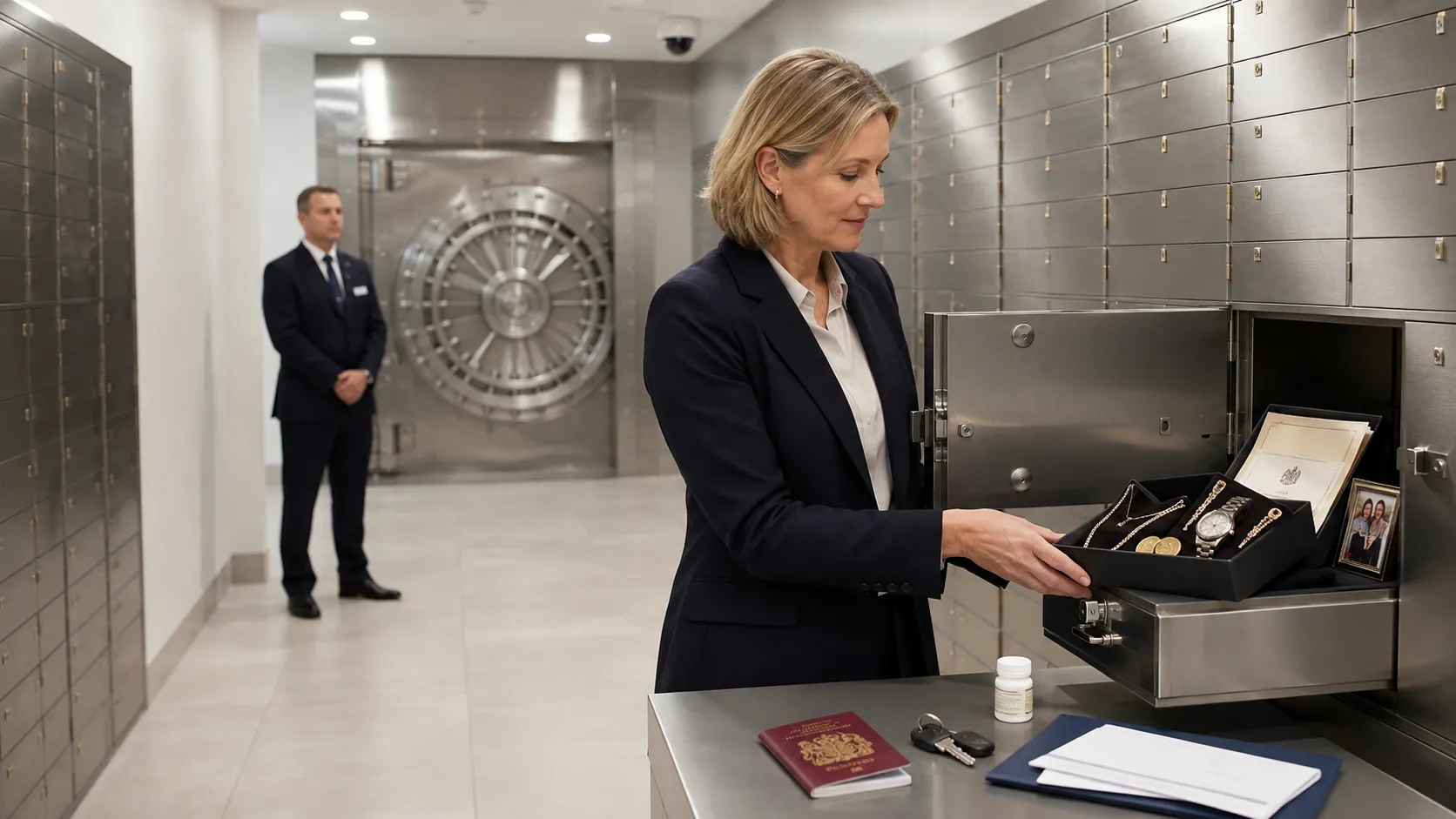
Your valuables deserve protection but not everything belongs behind a bank vault door. A safe deposit box can be a smart way to protect important belongings from theft, fire, and damage. However, some items may need to be accessed quickly during an emergency, while others may create unnecessary problems for you or your loved ones.
So, what should you not put in a safe deposit box? From passports and emergency documents to cash and items you may need on short notice, knowing prohibited items in a safe deposit box and what to keep elsewhere can save you from any kind of issue.
In this blog we will discover things you should not put in a safe deposit box and know more accessible alternatives for keeping these important items.
What Should You Not Put in a Safe Deposit Box?
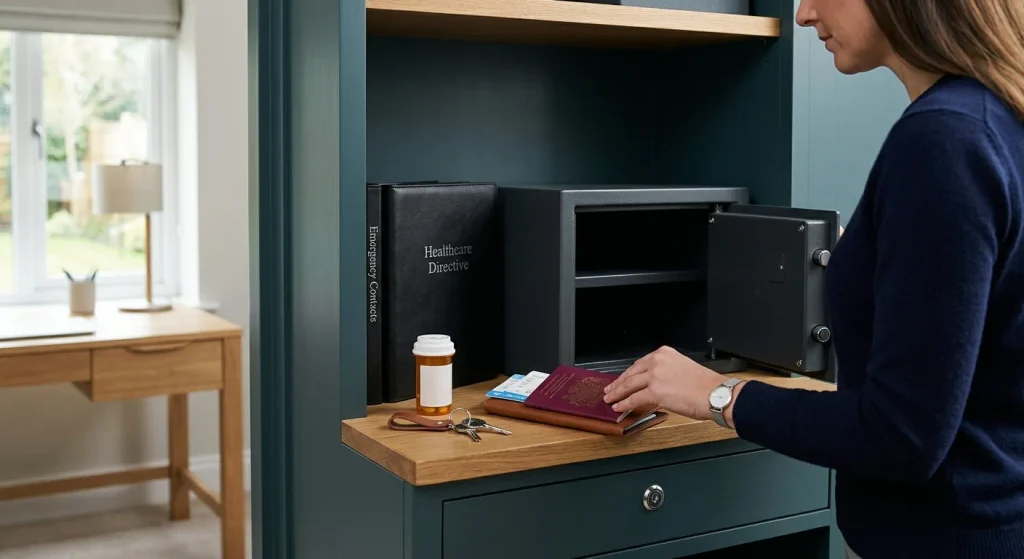
Safe deposit boxes are designed to give your valuables an extra layer of security, but security and accessibility are two different things. An item may be perfectly protected inside a bank vault, yet still be in the wrong place if you or your family need it urgently.
Before placing important belongings in a safe deposit box, consider how quickly you may need them, who may need access to them, and what could happen if you are unavailable. The best items for a safe deposit box are generally those that need long term protection but don’t require immediate access.
Before putting something inside, ask yourself three questions:
- Will I need this during an emergency?
- Will someone else need to access it if I’m unavailable?
- Could I need it outside the bank’s normal opening hours?
If the answer to any of these is yes, a secure home safe or another accessible storage option may be more appropriate. Here are the items not to keep in a safe deposit box, along with why they shouldn’t be stored in a safe deposit box and where to keep them instead.
Also Read: What Is a Safe Deposit Box and How Does It Work?
Passport
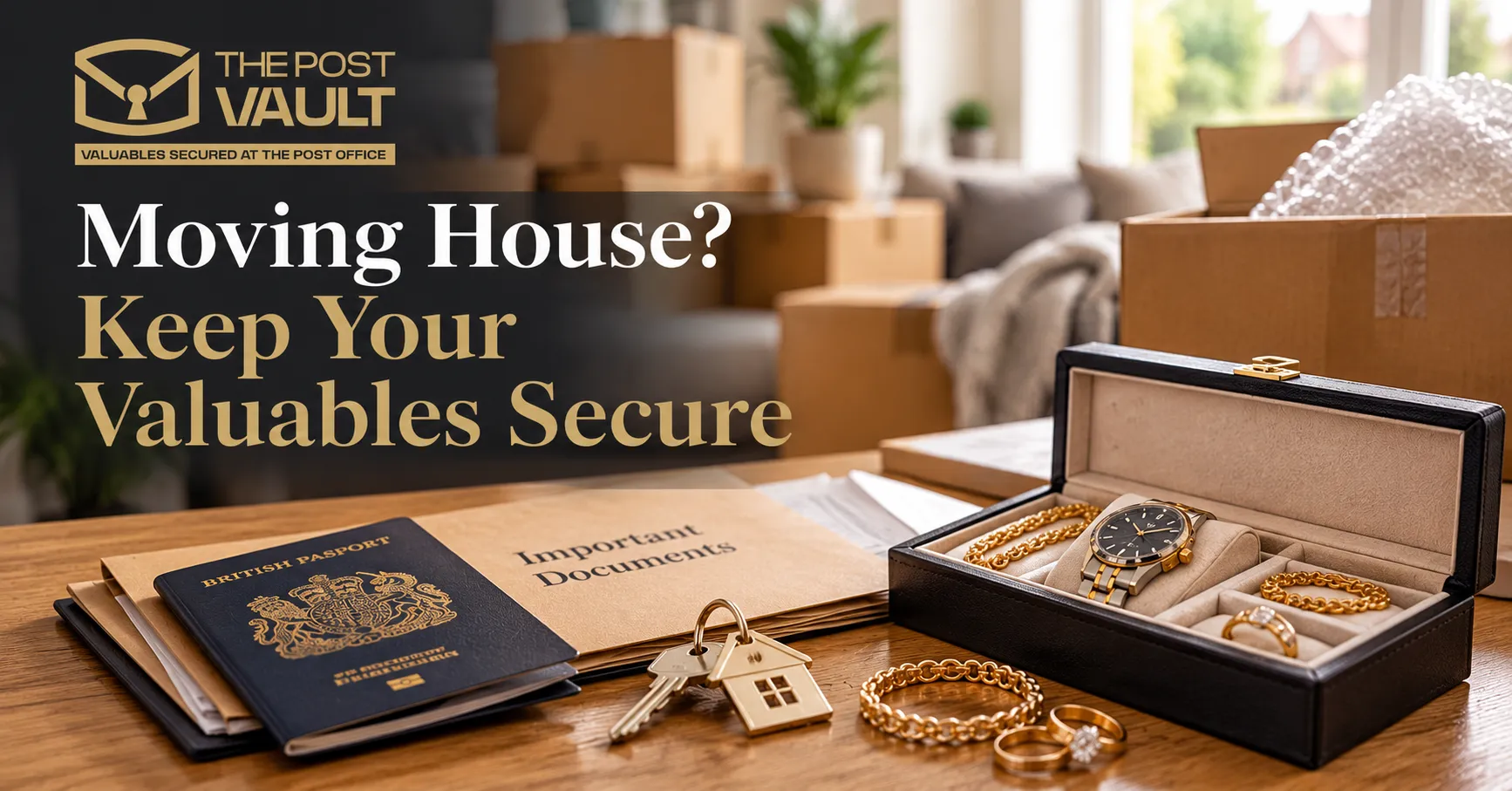
A passport is an important document, but it is also something you may suddenly need.
Why Shouldn’t You Store It There?
Travel emergencies don’t follow bank schedules. You might need to travel unexpectedly because of a family emergency, a last minute business trip, or a sudden change in travel plans. If your passport is inside a safe deposit box and the bank is closed, you could face unnecessary delays.
Where Should You Store It Instead?
Keep your passport in a secure, fire resistant home safe or another protected location that you can access at any time. Make sure trusted family members know where it is if they may need to help you during an emergency.
Dangerous Items & Weapons
A safe deposit box is a secure place for protecting important documents, valuables, and personal belongings. However, not everything belongs inside a safe deposit box. Certain items are restricted because they can pose safety, security, or legal risks.
Why Shouldn’t You Store Them There?
Dangerous items such as explosives, flammable materials, hazardous chemicals, and weapons can create serious safety and security risks. Banks may prohibit these items from being stored in safe deposit boxes, and storing them may violate bank policies or local laws.
Where Should You Store It Instead?
Keep hazardous materials in legally approved facilities designed for safe storage. Weapons should be kept in secure, lawful storage specifically intended for them, in accordance with applicable safety requirements and regulations.
Healthcare Directives
Living wills, healthcare powers of attorney, and other advance healthcare directives communicate your wishes and identify who should make medical decisions if you cannot.
Why Shouldn’t You Store It There?
A medical emergency can happen at any time. Doctors and family members may need these documents immediately, and a bank vault may be inaccessible when the need arises. A document that cannot be reached cannot effectively communicate your wishes.
Where Should You Store It Instead?
Keep copies with your healthcare provider, healthcare representative, and trusted family members. Store the original in a secure location that can be accessed when necessary.
Final Instructions and Funeral Arrangements
Letters of instruction can contain important information about your wishes, funeral or burial arrangements, personal belongings, and other matters you want your family to know.
Why Shouldn’t You Store It There?
These instructions may be needed shortly after your death. If they’re locked inside a box that your family or executor cannot immediately access, your wishes may be difficult to locate and follow.
Where Should You Store It Instead?
Keep them with your estate planning documents or another secure, accessible location. Tell your executor and trusted family members where these documents can be found.
Spare House Keys
A spare key is meant to provide quick access to your home when you are locked out.
Why Shouldn’t You Store It There?
If you lose your keys at night or during a weekend, you may not be able to access your safe deposit box until the bank reopens. That defeats the purpose of having an emergency spare key.
Where Should You Store It Instead?
Leave a spare with a trusted family member or neighbor, or use a secure key-storage solution at home.
Essential Medication
Medication and other essential health supplies should be available when you need them.
Why Shouldn’t You Store It There?
You may need medication at a specific time or during an unexpected situation. A bank’s opening hours shouldn’t determine whether you can access something essential.
Where Should You Store It Instead?
Keep necessary medication at home in a secure, easily accessible place and follow the medication’s recommended storage conditions. Avoid storing anything that requires special temperature or environmental controls in a bank vault unless specifically appropriate.
Illegal or Dangerous Items
Safe deposit boxes are not a place for items that violate the law, create a safety hazard, or breach your bank’s agreement.
Why Shouldn’t You Store It There?
Banks and private vaults typically have rules restricting certain items, which may include firearms, illegal substances, hazardous materials, adult toys and liquids. Storing prohibited items can create legal, safety, and contractual problems.
Where Should You Store It Instead?
Never store illegal items. For lawful items that require special handling or security, use an appropriate storage method that complies with the law, safety requirements, and the bank’s policies.
What Can You Keep in a Safe Deposit Box?
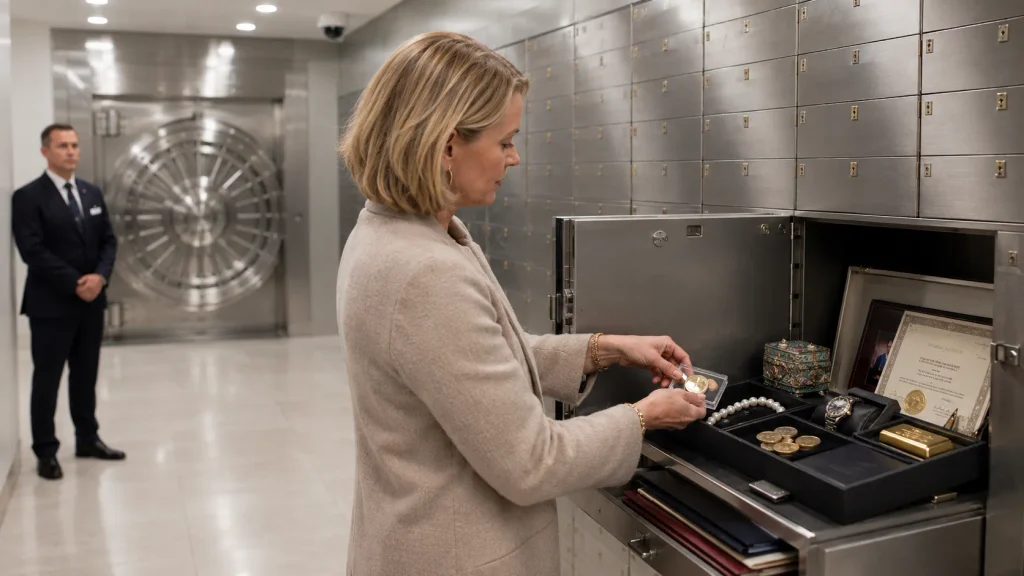
A safe deposit box is best suited for valuable, irreplaceable, and rarely needed items that you want to protect from theft, fire, water damage, or loss. The best safe deposit box contents are items that are difficult or expensive to replace and don’t require frequent access.
Keep things that are valuable or difficult to replace but don’t need to be accessed frequently. Store everyday essentials and emergency documents somewhere secure but accessible, and reserve your safe deposit box for the items that benefit most from long-term protection.
Cash
One common question is can you keep cash in a safe deposit box. Yes, you can keep cash in a safe deposit box. Cash safe deposit boxes offer an added layer of protection for money you may not need to access regularly. People keep cash in a safe deposit box mainly for security and privacy.
Common reasons include:
- Protection from theft or fire: A bank vault is generally more secure than keeping large amounts of cash at home.
- Emergency access: Some people want physical cash available if banking systems, ATMs, or electronic payments are temporarily unavailable.
- Storing valuables together: People may keep cash alongside jewelry, documents, or other valuables.
- Business Purposes: Temporarily storing cash that needs to be deposited or used later.
Important Documents
You must know what documents should you keep in a safe deposit box. Keep original documents or secure backup copies that are important but not needed in an emergency or on a regular basis, such as:
- Property Deeds: Documents proving ownership of your home, land, or vehicle.
- Birth, Adoption & Marriage Certificates: Important records that can be difficult or time-consuming to replace.
- Divorce Decrees: Legal records that may be needed for future financial or legal matters.
- Insurance Documents: Keep copies or important policy records for long-term protection.
- Military Records: Important service and discharge documents that may be needed for benefits or legal purposes.
- Business Documents: Important company records, agreements, certificates, or other paperwork that needs long-term protection.
- Educational Records: Diplomas, transcripts, and certificates that you want to preserve safely.
These documents may not be needed every day, but losing them can create significant stress and replacement costs. A safe deposit box provides an additional layer of physical protection.
Original Will
Your will is one of the most important documents in your estate plan. Keeping the original in a safe deposit box can help protect it from loss, damage, theft, or unauthorized access. A safe deposit box provides a secure environment for important estate documents. It can help ensure that your original will remains protected and preserved until it is needed.
But do make sure your executor, attorney, or trusted family member knows that the original will is stored in the safe deposit box and understands the applicable access procedures. You can also keep a copy in another secure location for reference.
Jewellery and Precious Items
A safe deposit box can be an excellent choice if you are thinking where to store gold and other valuables that you rarely use, including:
- Gold or jewellery
- Rare coins
- Collectible watches
- Precious metals
- Family heirlooms
- Small antiques
- Valuable collectibles
Keeping expensive items in a vault can reduce the risk of theft or accidental damage at home, particularly when the items are not used regularly.
Power of Attorney
A power of attorney is an important document that allows someone you trust to handle financial or legal matters on your behalf when necessary. Keeping the original secure can help protect it from unauthorized use or loss. A safe deposit box offers a secure place to protect your original power of attorney from damage, theft, or accidental misplacement.
Let your appointed representative and attorney know where the original document is stored and how it can be accessed when needed. You may also provide authorized individuals with copies so they know the document exists and where the original is kept.
Financial and Investment Records
A safe deposit box can also hold backup copies of important financial paperwork like stock or bond certificates, investment records and important financial agreements. These records contain information that is important for managing your finances, investments, or estate. For documents you may need frequently, however, keep accessible digital or physical copies elsewhere.
Backup Digital Data
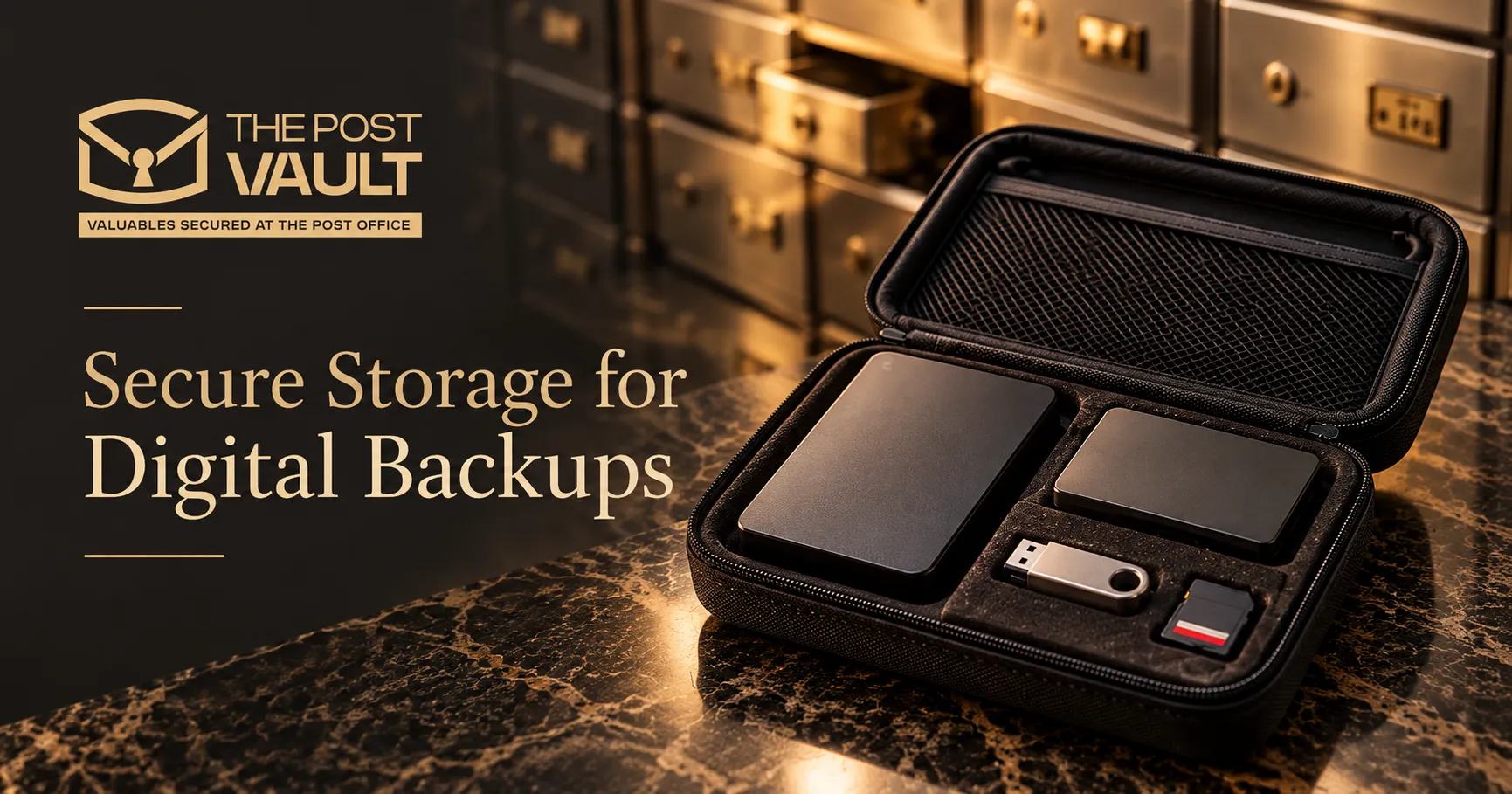
Important digital information can also be protected with a backup stored in a safe deposit box, including USB drives and important personal or business files. A separate physical backup can protect important data if your computer is damaged, lost, or destroyed. Just make sure the storage device is properly protected against moisture, heat, and other environmental conditions, and consider encryption if the data is sensitive.
Other Rarely Needed Valuable Items
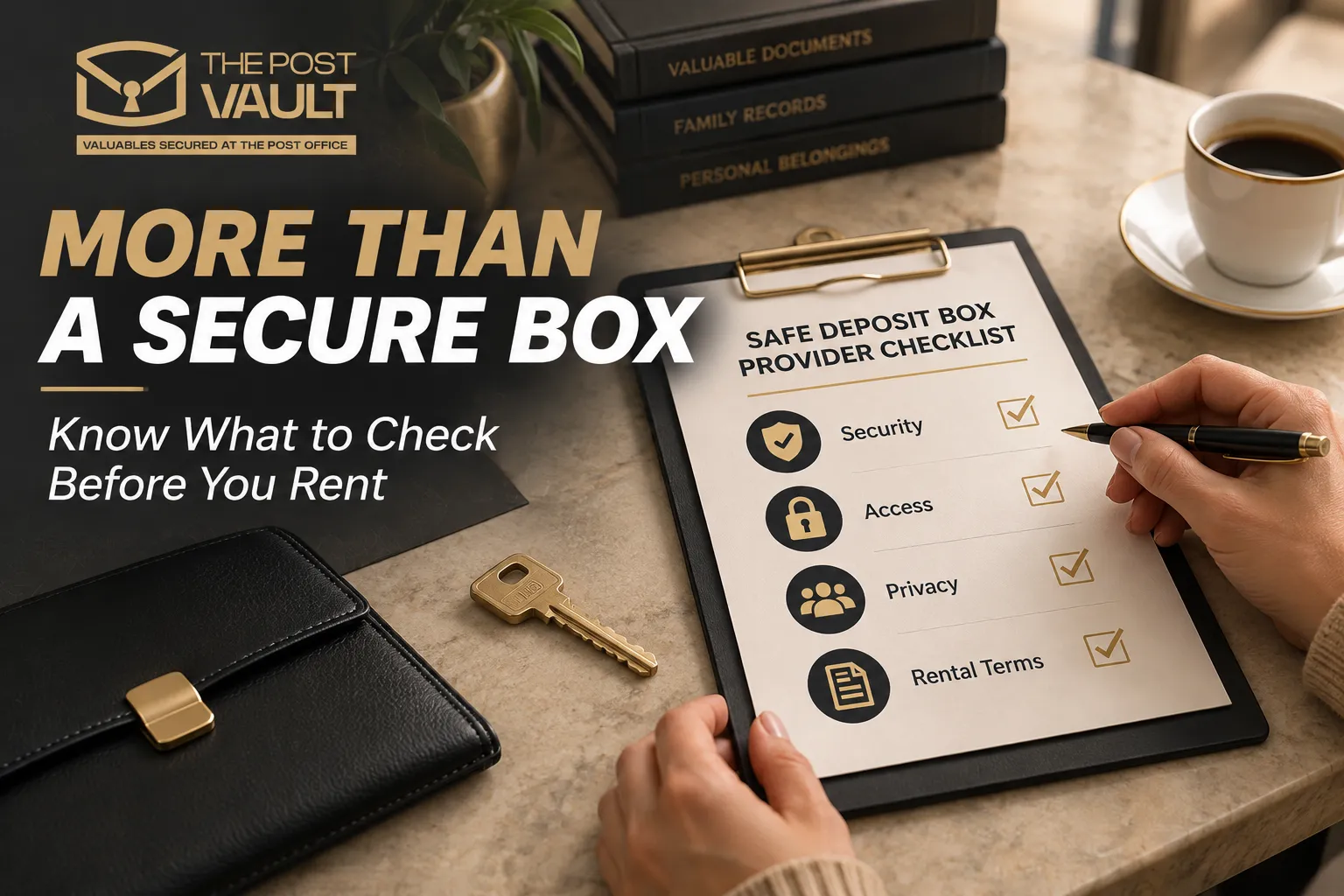
If an item is valuable, difficult to replace, small enough to fit safely, and not something you need regularly, it may be a good candidate for a safe deposit box. Before storing anything, check your vault’s agreement because there are certain safe deposit box restrictions in the UK about what is allowed and what you can’t keep in a safe deposit box.
Also Read: What Can You Store in a Safe Deposit Box?
How Much Does a Safe Deposit Box Cost?
Next thing you need to know is how much is a safety deposit box? The cost can vary depending on the provider, box size, location, and level of security. Before choosing one, compare the price, accessibility, terms, and protection offered to make sure you’re getting the right value for your valuables.
Can the Government Seize a Safe Deposit Box?
A safe deposit box is designed to keep your belongings secure, but you may still wonder can safe deposit boxes be seized? In certain legal or financial circumstances, authorities may have the right to restrict or seize access to a box. Understanding the rules and providers terms can help you know what to expect and protect your valuables responsibly.
Also Read: Are Safe Deposit Boxes Private or Traceable?
How Can The Post Vault Help You Protect What Matters Most?
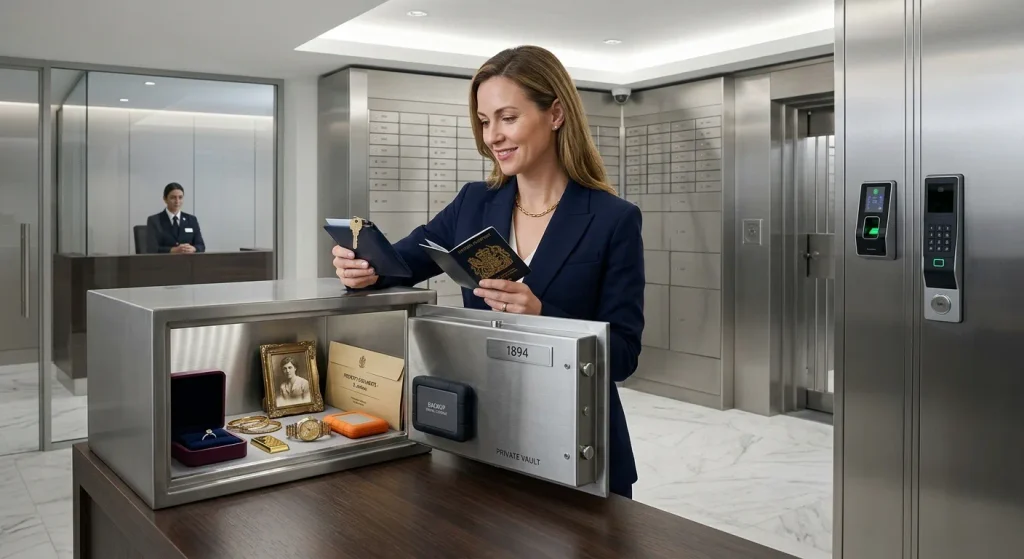
When it comes to protecting your most valuable belongings, choosing the right storage solution is just as important as choosing what to store. You may be asking are safe deposit boxes safe? Traditional bank vaults can offer strong protection, but limited access and fixed banking hours may not always provide the flexibility and convenience you need.
At The Post Vault we offer a secure way to protect your most valuable possessions and important documents. Whether you are looking for safe deposit boxes for gold, safe deposit boxes for jewellery, or a secure place for precious keepsakes and important paperwork, we can help give your valuables the protection they deserve.
Conclusion
Knowing what should you not keep in a safe deposit box is just as important as knowing what belongs inside one. Emergency essentials and frequently needed documents should be kept somewhere secure but accessible, while using a safe deposit box for valuables and important items you rarely need to access. The right solution can give you greater security and convenience. With The Post Vault, you can keep your valuable belongings secure and well protected.
Frequently Asked Questions
What should you not keep in a safe deposit box?
Avoid storing items you may need urgently, such as cash, passports, medication, original wills, and emergency documents. Keep these items somewhere secure yet easily accessible, and always check the safe deposit box rules UK to understand what can and cannot be stored in your box.
Is it allowed to keep cash in a safe deposit box?
Cash may be restricted by some providers and can be difficult to access outside opening hours. Keep emergency cash in a secure home safe and most funds in an appropriate bank account.
Where should I keep my passport?
It’s better to keep your passport somewhere secure at home where you can access it anytime. An unexpected trip could require it when the facility is closed.
Is it safe to keep my original will in a safe deposit box?
Avoid storing the only original copy where your executor may have difficulty accessing it. Keep it in a secure location known to your executor and legal adviser.
Can I store a power of attorney in a safe deposit box?
It’s better to keep it somewhere your appointed representative can access when needed. Locking it away may cause delays if you become unable to manage your affairs.