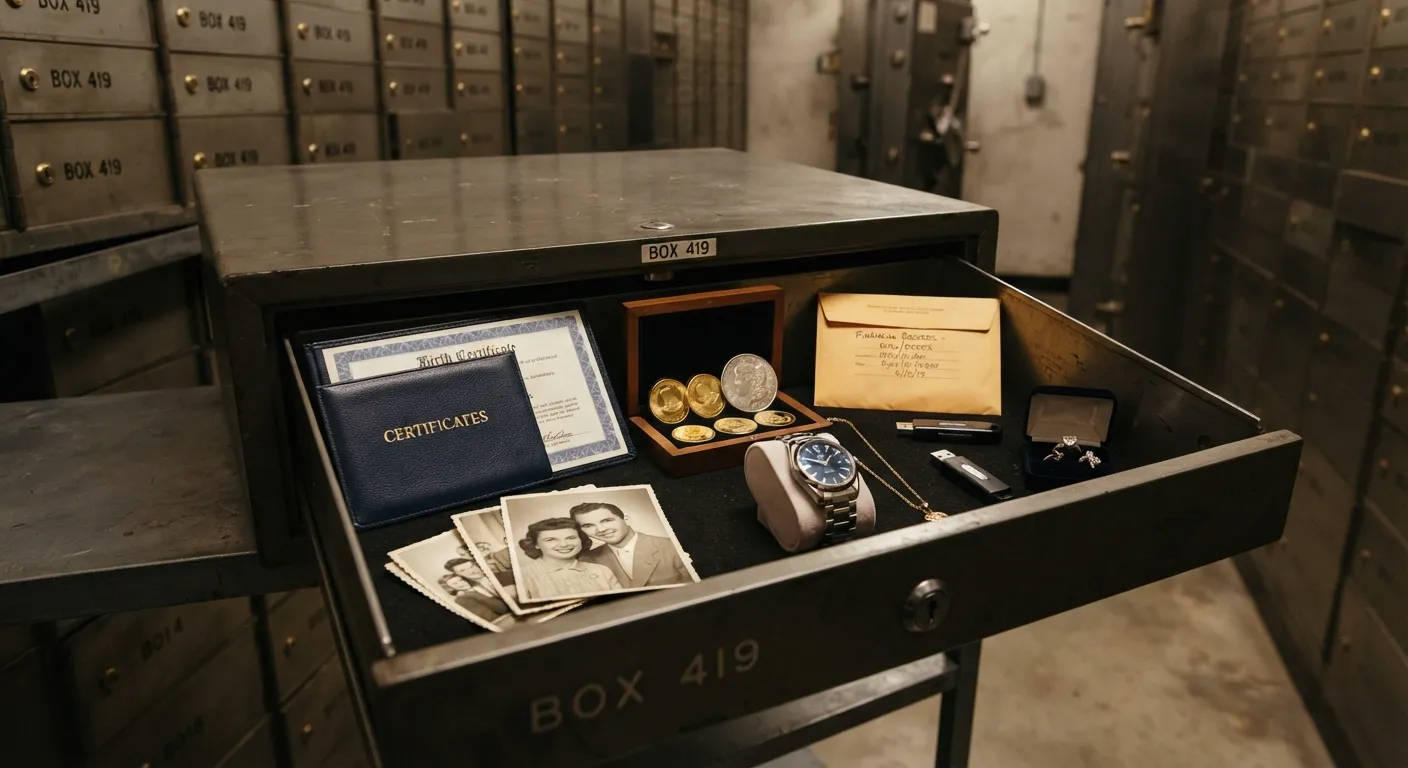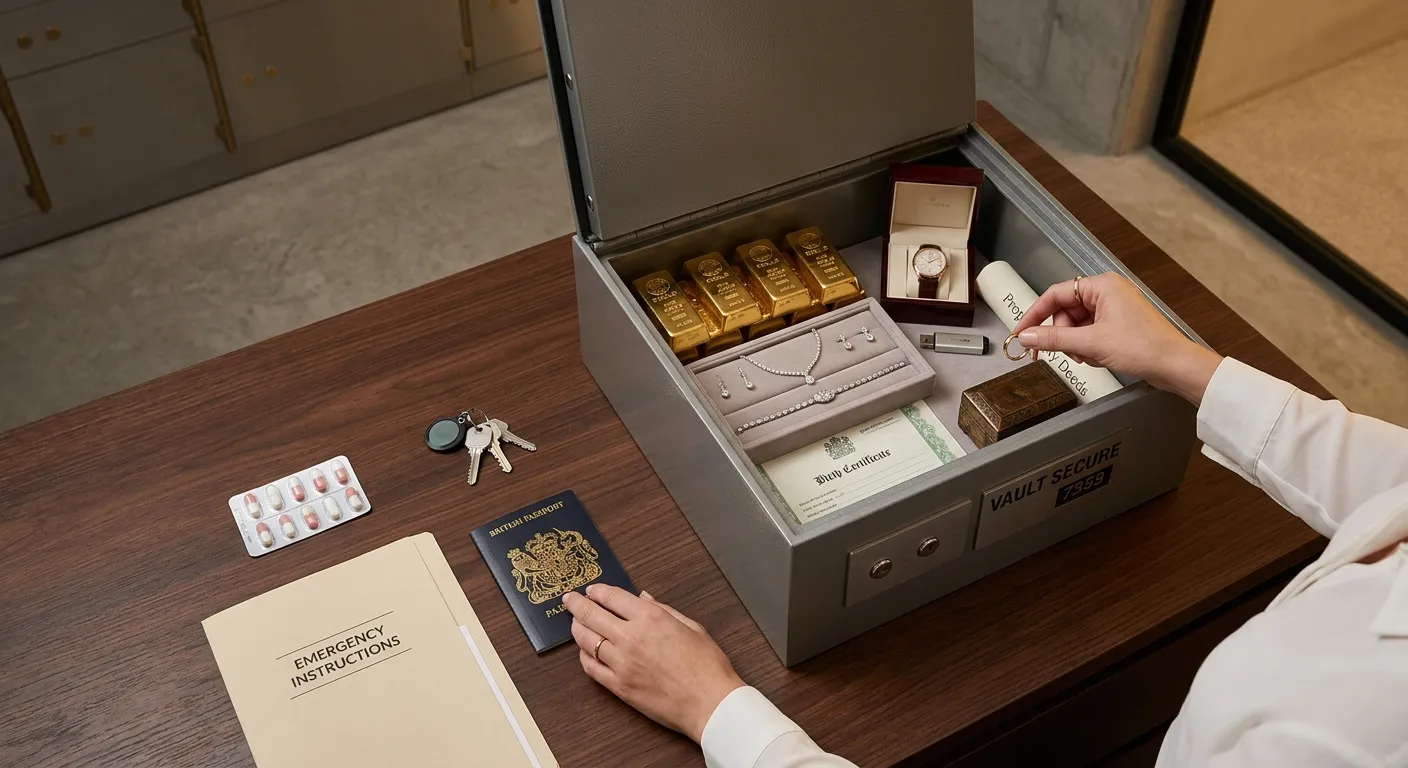
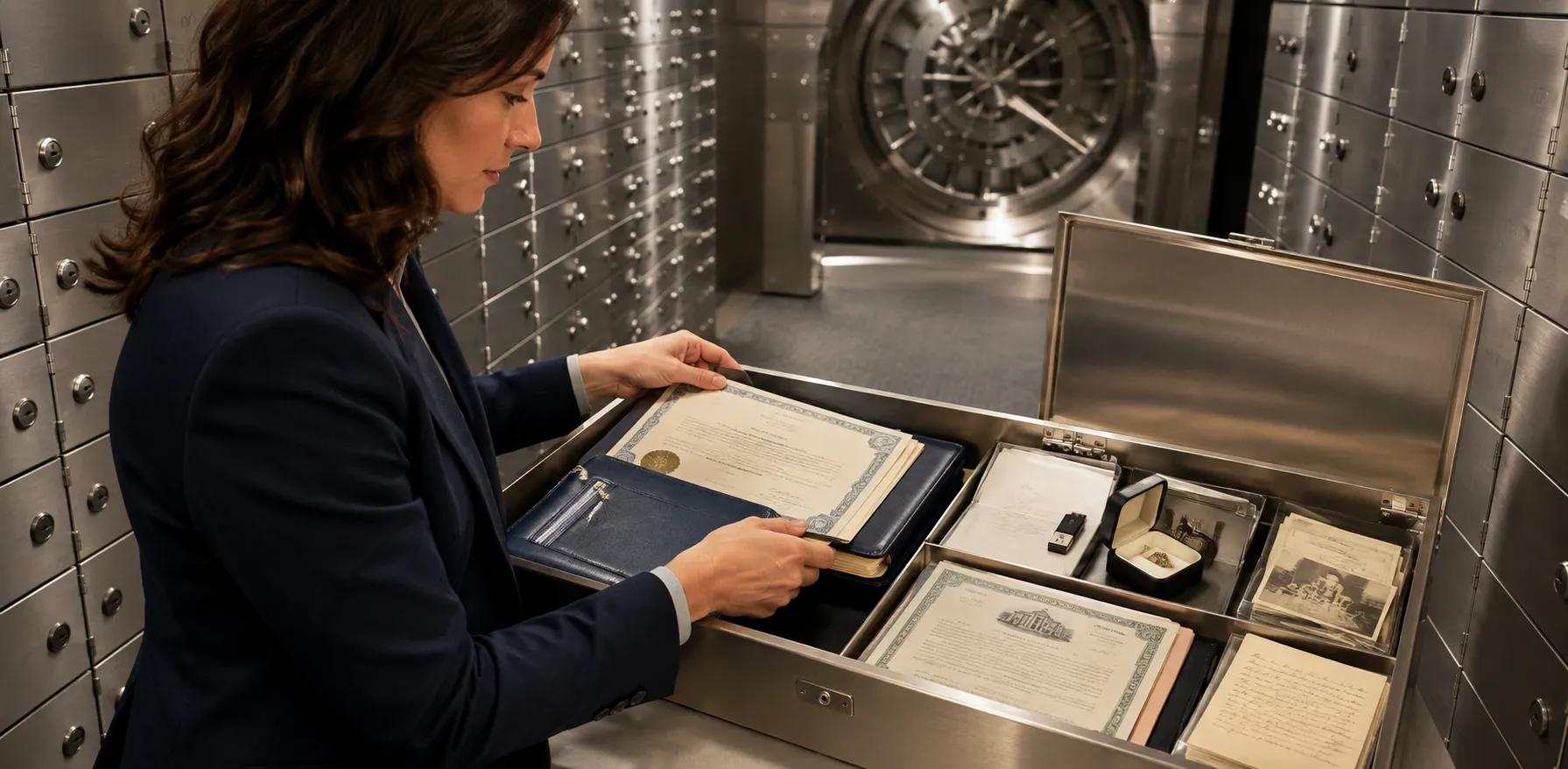
Are your most valuable possessions really safe? Not everything belongs in a drawer or on your computer. Some documents are simply too valuable to leave lying around at home. If you have ever asked what documents should be stored in a safe deposit box, the answer includes important original files that are difficult or impossible to replace.
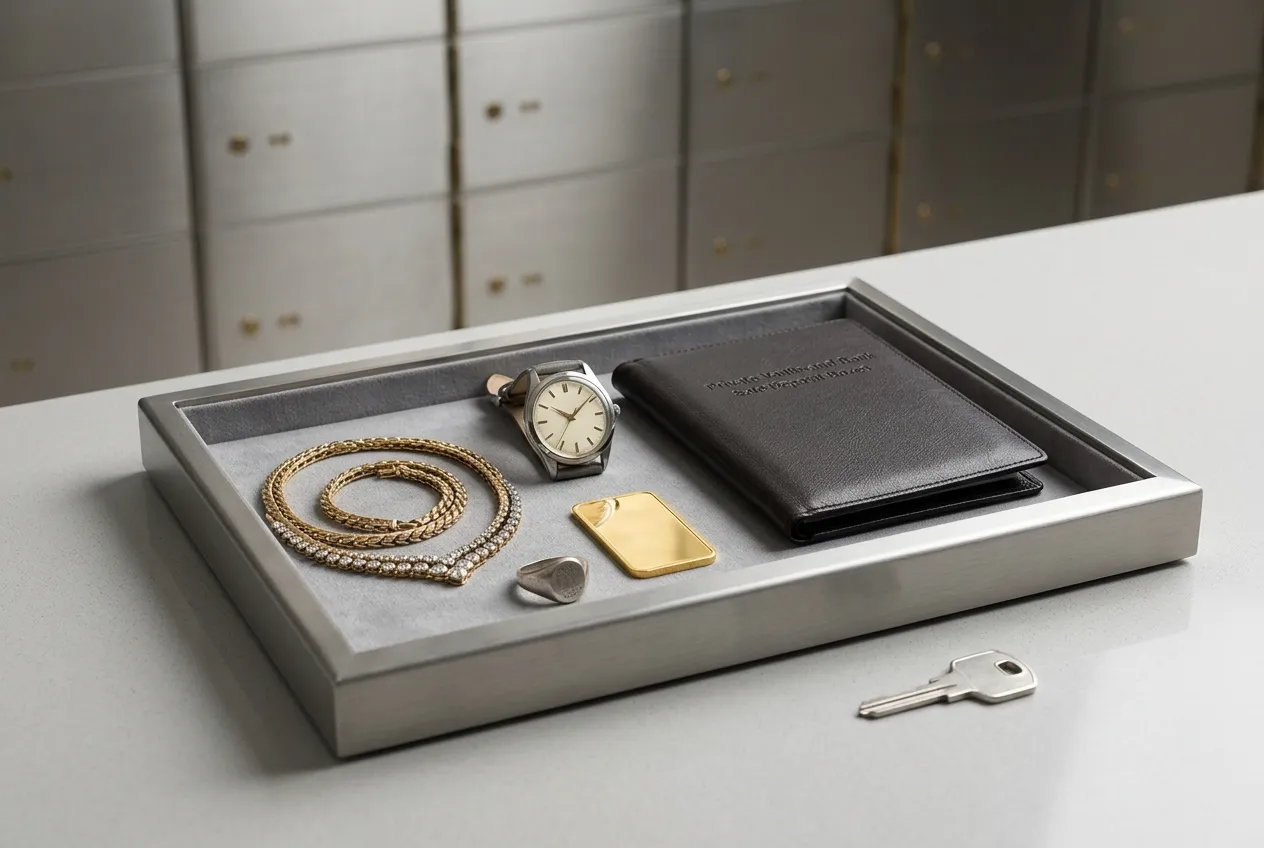
Items like jewellery, heirlooms, collectible coins, and other irreplaceable valuables are also ideal for secure storage. Keep your most valuable possessions protected with a safe deposit box designed to provide secure storage.
What Documents Should Be Stored in a Safe Deposit Box?
Have you ever wondered which documents are important enough to keep in a safe deposit box? While many papers can be stored at home, some are too valuable or difficult to replace if they are stolen or damaged. A safe deposit box for documents and other personal belongings offers a secure place to protect your most important items. In the sections below, explore the essential documents and valuables that are worth keeping in a safe deposit box for added security.
What Should You Keep in a Safe Deposit Box?
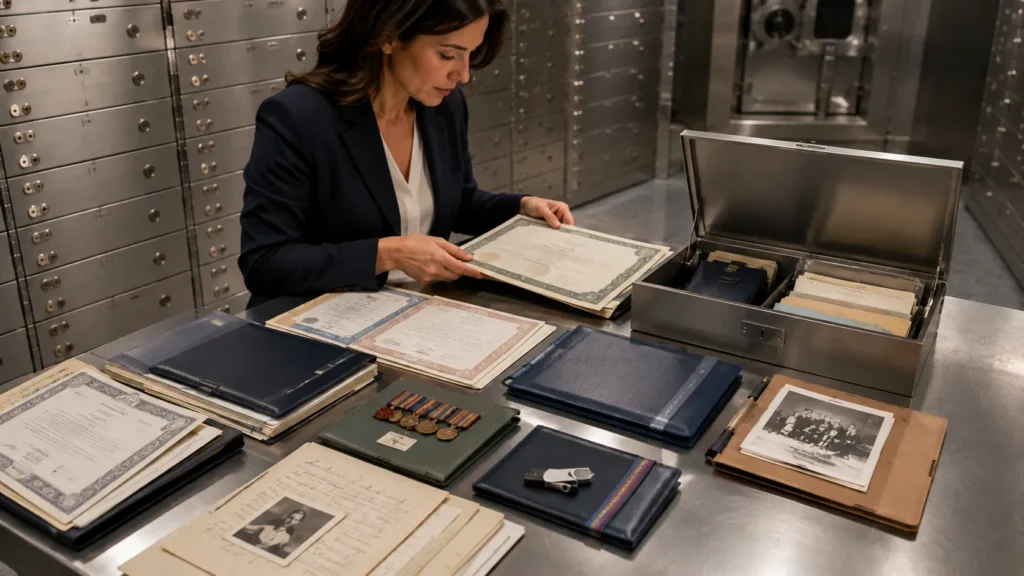
Some documents are too important to risk losing. From irreplaceable legal documents to priceless keepsakes, certain items need the added security that a safe deposit box provides. If an item would be difficult or impossible to replace, it’s worth keeping in a safe deposit box for secure storage. Here are the most important documents and valuables you should consider keeping in your safe deposit box.
Social Security Card
Your Social Security card contains one of your most sensitive personal identifiers. If it falls into the wrong hands, it can be used for identity theft and financial fraud. Since you rarely need the physical card, keeping it in a safe deposit box is one of the safest options. Simply memorize the number for everyday use and retrieve the card only when required.
Wills and Testaments
A will is one of the most important legal documents you’ll ever create, making it essential to protect it from loss or damage. Storing a copy of your will in a safe deposit box helps safeguard it from theft, fire, and other disasters. However, avoid keeping the only original copy there unless your executor or a trusted family member can easily access the box after your death. It’s also a good idea to let your executor know where your will is stored and how to obtain it when needed.
Birth, Marriage, Divorce, and Death Certificates
Vital records such as birth, marriage, divorce, and death certificates are often needed for legal and financial matters, but replacing them can be expensive and time consuming. Store the original documents in your safe deposit box while keeping copies at home for easy reference.
Paper Stock and Bond Certificates
Although most investments are managed electronically today, some investors still own physical stock and bond certificates. These documents may have financial or collectible value, making them worth protecting in a secure location until they are redeemed or transferred.
Personal Papers
Important personal documents, including adoption papers, citizenship certificates, school diplomas, military awards, family letters, journals, and handwritten keepsakes, deserve extra protection. Many of these items are impossible to replace and often carry sentimental value that cannot be recreated.
Jewellery
Your most treasured valuables deserve an extra layer of protection. Expensive jewellery, engagement rings, and valuable watches that you don’t wear regularly are ideal for a safe deposit box. Keeping them securely stored reduces the risk of theft or accidental loss while preserving their condition.
Collectibles
Protecting valuable collections is just as important as preserving important documents. Rare coins, stamps, vintage baseball cards, antiques, precious metals, and other collectibles can increase in value over time. Because these items are often unique and difficult to replace, storing them in a safe deposit box helps protect both their financial and sentimental worth.
Property Records
Store important ownership documents such as property deeds, mortgage documents, land surveys, closing documents, and vehicle titles. These records may be needed when selling property, resolving ownership disputes, or completing legal transactions.
Military Records and Discharge Papers
Military records are valuable legal documents that serve as proof of your service and may be needed throughout your lifetime. Military discharge papers, service records, medals, and related documents are often required to access veterans’ benefits or verify military service. Since replacing these records can take weeks or even months, keeping the originals secure is highly recommended.
Business Contracts and Legal Documents
Original business agreements, partnership contracts, legal documents, and other important records should be stored safely to protect them from damage or loss. Having these documents readily available when needed can help avoid financial complications.
Digital Backups
Store a flash drive or external hard drive containing backups of important documents, financial records, family photos, and other essential files. While cloud storage is useful, having an offline backup stored securely gives your valuables the protection they deserve
What Should You Avoid Storing in a Safe Deposit Box?
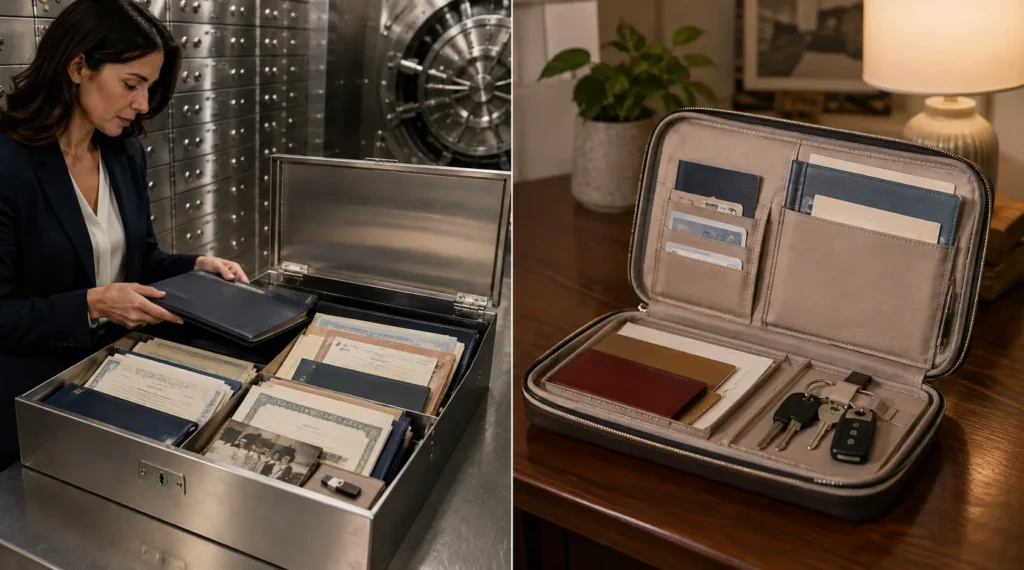
Now that you know what documents should you keep in a safe deposit box along with other valuables, it’s just as important to understand what shouldn’t be stored there. Safe deposit boxes are great for protecting valuables, but some items should be kept elsewhere because you may need them quickly.
Original Will
Avoid storing the only original copy of your will in a safe deposit box. After your death, your executor may not be able to access the box immediately, which can delay the probate process. Keep the original legal documents of your will in a secure place at home and let your trusted family member know where it is.
Power of Attorney and Medical Directives
Documents such as powers of attorney, living wills, and advance healthcare directives should be easily accessible during an emergency. Store them in a secure location at home and make sure trusted family members know where to find them.
Passport
A passport may be needed unexpectedly for travel or identification. Since safe deposit boxes can only be accessed at specific hours, it’s better to keep your passport in a secure place at home.
Spare Keys
Avoid storing spare house or car keys in a safe deposit box. If you are locked out when the bank or private vault is closed, you won’t be able to access them. Store spare keys in a secure location at home or leave a copy with a trusted family member or friend who can access it in an emergency.
Cash (Large Amounts)
Although a safe deposit box offers excellent physical security, it’s generally not the best place to store large amounts of cash. Money kept in a safe deposit box typically does not earn interest. If you ever need access to your funds during an emergency, you may also be unable to retrieve them outside of your vault’s operating hours. For these reasons, it’s usually better to keep your money in a savings or checking account, where it’s more accessible.
Frequently Used Documents
Don’t store anything you will need regularly or on short notice, such as driver’s licenses, ID cards, insurance cards, or frequently used legal documents. These are better kept in a secure but easily accessible place.
Illegal or Restricted Items
A safe deposit box should only be used to store legal and approved valuables. Never store illegal items, explosives, hazardous materials, or anything prohibited by your bank. Using the box only for approved documents and valuables helps ensure compliance with policies and keeps your belongings secure.
Also Read: Are Safe Deposit Boxes Safe? Security, Risks and What to Know
Who Should Consider Getting a Safe Deposit Box?
A safe deposit box is not just for storing large amounts of valuables. It’s a practical solution for anyone who wants to protect important documents and irreplaceable possessions. If you own items that would be costly or impossible to replace, renting a safe deposit box can provide added security and peace of mind.
You may benefit from a safe deposit box if you are:
- Homeowners who need a secure place for property deeds, mortgage documents, and home improvement records.
- Business owners who want to protect contracts, licenses, incorporation papers, and other important business documents.
- Families looking to preserve birth certificates, marriage certificates, adoption papers, and treasured family heirlooms.
- Collectors who own valuable coins, stamps, sports memorabilia, precious metals, or other collectibles.
- Frequent travelers who need a secure place to store important travel documents or valuables when they are not in use.
- Military veterans who want to protect discharge papers, service records, medals, and other military documents.
- Anyone planning for the future who wants to safeguard important legal and financial documents for themselves and their loved ones.
If you have belongings that carry significant financial or sentimental value, a safe deposit box can be a smart way to keep them protected for years to come.
What are the Benefits of Storing Items in a Safe Deposit Box?
Whether you are storing important legal documents or family heirlooms, a safe deposit box provides an added layer of security for your valuables. Here are some of the key benefits of using a safe deposit box:
- Enhanced Security: Bank and private vaults offer multiple layers of security, helping protect your valuables from theft and unauthorized access.
- Protection from Fire and Natural Disasters: Safe deposit boxes provide added protection against fire, floods, storms, and other unexpected events that could damage important belongings.
- Reduced Risk of Theft: Valuable items such as jewellery, important documents, and collectibles are much safer in a vault than in your home.
- Secure Storage for Important Documents: Keep original documents like birth certificates, property deeds, and stock certificates safe from loss or accidental damage.
- Protection for Irreplaceable Items: Meaningful keepsakes, old photographs, personal letters, and other sentimental items remain preserved for future generations.
- Long Term Preservation: Items that are rarely used can remain safely stored for years without frequent handling or exposure to household risks.
- Privacy and Controlled Access: Only authorized individuals can access your safe deposit box, offering reliable protection for your valuables.
How Can The Post Vault Help?
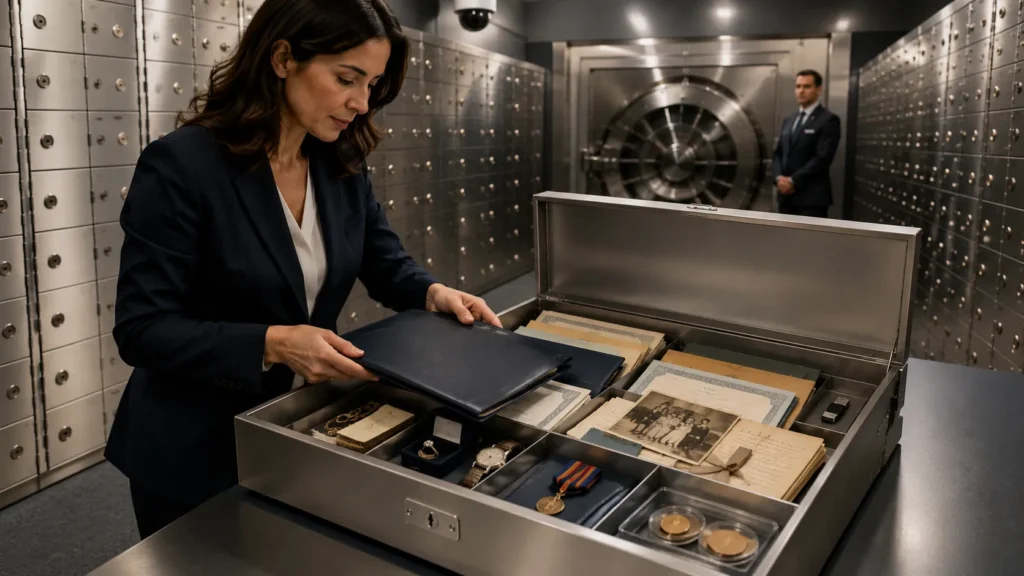
Looking for a safer place to store your most valuable belongings in North West England? Keeping important documents and treasured possessions at home can leave them vulnerable to unexpected events. A safe deposit box offers secure document storage and extra protection your valuables deserve. When it comes to safeguarding life’s most important possessions, The Post Vault is a secure storage partner you can trust.
We provide reliable and secure safe deposit boxes for storing the items that matter most. From legal documents and property records to jewellery and sentimental valuables, our secure storage solutions help protect your valuables in a professionally managed environment. Whether you are preserving important paperwork or securing high value items, we give you a trusted place to store them. With secure facilities and controlled access, you can enjoy greater security knowing your belongings are protected until you need them.
Conclusion
Understanding which documents should be stored in a safe deposit box is the first step toward protecting your most important records and irreplaceable valuables. From legal documents and property records to family heirlooms and collectibles, storing these items in a secure vault helps safeguard them from theft, loss, and unexpected damage. Discover our secure safe deposit box solutions and give your most valuable possessions the protection they deserve.
Frequently Asked Questions
Why should I use a safe deposit box?
A safe deposit box provides a secure place to store important documents and valuable belongings that are difficult or expensive to replace. It offers added protection against theft, fire, flooding, and other unexpected events, giving you greater peace of mind that your valuables are safe.
What documents should I keep in a safe deposit box?
The best documents to store include original birth, marriage, divorce, and death certificates, Social Security cards, property deeds, vehicle titles, military records, business contracts, paper stock and bond certificates, adoption papers, citizenship documents, and other important legal records that you don’t need to access regularly.
Can I keep family heirlooms in a safe deposit box?
Yes. A safe deposit box is an excellent place to store valuable family heirlooms, old photographs, handwritten letters, medals, jewellery, and other sentimental keepsakes. These irreplaceable items are better protected from theft, accidental damage, and natural disasters.
Who can access my safe deposit box?
Only individuals authorized on the safe deposit box agreement can access the box. Depending on your provider’s policies, you may also be able to add a trusted co owner or authorized signer, ensuring someone you trust can access the contents if necessary.
Is a safe deposit box worth it?
Yes, a safe box is worth it. If you own important documents, valuable jewellery, family heirlooms, collectibles, or other irreplaceable belongings, renting a safe deposit box is a worthwhile investment. The added security, protection, and peace of mind often outweigh the annual rental cost.
Should business owners use a safe deposit box?
Absolutely. Business owners can use a safe deposit box to securely store original contracts, incorporation documents, partnership agreements, licenses, financial records, confidential paperwork, and other critical business documents that need long-term protection.