
Your valuables may be locked away, but are they truly beyond the reach of authorities? Safe deposit boxes are designed to provide privacy and protection for important documents, jewellery, cash, and other valuables. Can safe deposit boxes be seized or accessed by authorities? This is a common question for people who use safe deposit boxes to protect valuable belongings. However, that privacy has legal limits. In certain circumstances, authorities may be able to access, search, freeze, or seize the contents of a safe deposit box. Understanding when and why this can happen can help you protect your assets and avoid unexpected legal surprises.
Can Safe Deposit Boxes Be Seized or Accessed by Authorities?
Yes, safe deposit boxes can be accessed or seized by authorities in certain legal situations. So the question is are safe deposit boxes safe? While these boxes offer privacy and security, they are not completely beyond the reach of the law. With a valid court order, search warrant, or as part of specific legal process, authorities may be permitted to access the contents. The exact rules depend on your country or jurisdiction and the circumstances involved.
Can Police Demand Entry to a Safe Deposit Box?
Yes, police can gain access to a bank safe deposit locker, but they generally cannot simply demand that the bank open it on their verbal request. A safe deposit box is protected by legal and contractual safeguards, but it is not completely immune from police access.
Whether police need a warrant to access a safe deposit box depends on the circumstances and the laws of the country or state involved. A warrant is often an important legal safeguard, but it is not required in every situation.
When a Warrant is Generally Required
A warrant may be required when authorities want to search a safe deposit box as part of a criminal investigation. Typically, they must provide a judge or court with sufficient grounds to justify the search. If approved, the warrant specifies what authorities are permitted to search for or seize.
Exceptions to the Warrant Requirement
There can be situations where authorities may access a box without first obtaining a traditional search warrant. For example, specific laws may give certain government agencies authority to access property, or a court order or other legal process may apply. The rules can also differ depending on whether the box holder has given consent.
Differences Based on Jurisdiction
Warrant requirements vary significantly between countries and even between states or provinces. The rules applicable to police searches, tax matters, probate cases, and financial investigations differ from one jurisdiction to another. Therefore, a rule that applies in one country may not apply elsewhere.
Also Read: Benefits of Short Term Safe Deposit Box Rental
When Can Authorities Access a Safe Deposit Box?
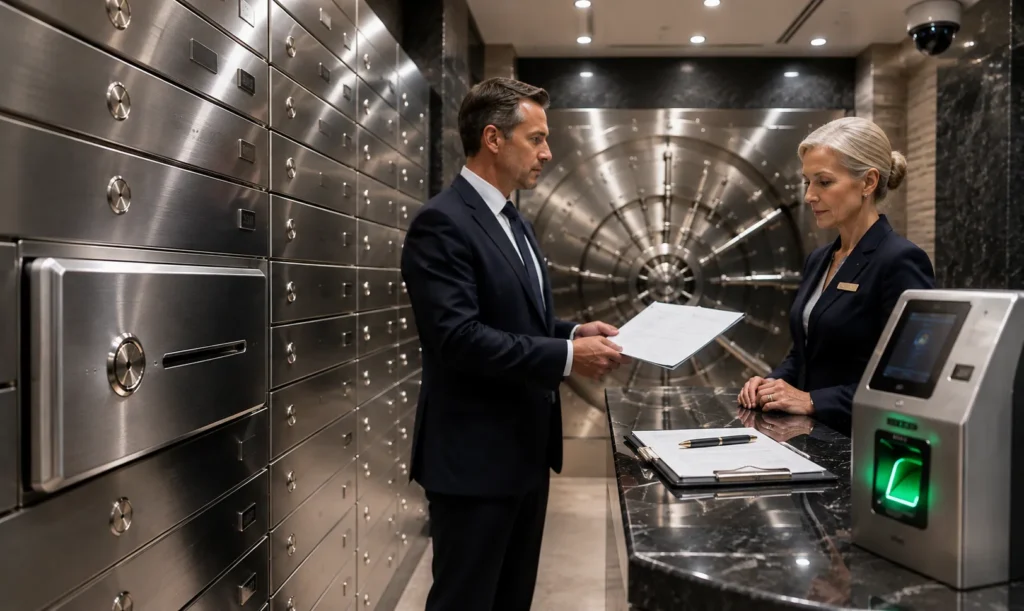
Authorities generally cannot access a safe deposit box whenever they want. They typically need a legal basis, such as a court order, warrant, or specific statutory authority. However, there are certain situations in which authorities may be legally permitted to access a safe deposit box
Court Issued Search Warrants
A court may issue a search warrant when there is sufficient legal justification to believe that a safe deposit box contains evidence related to an investigation. The warrant can authorize authorities to open the box, inspect its contents, and potentially seize specific items.
Criminal Investigations
During investigations involving crimes such as fraud, money laundering, theft, or drug trafficking, authorities may seek access to a safe deposit box if they believe it contains evidence, illegal property, or proceeds of crime.
Tax Related Investigations
Tax authorities may investigate a safe deposit box when there are concerns about undeclared income, hidden assets, or tax evasion. Depending on local law, they may obtain legal authorization to inspect or seize relevant assets or records.
Asset recovery or financial crime investigations
If authorities suspect that assets in a box are connected to money laundering, fraud, corruption, or other financial crimes, they may freeze, seize, or investigate those assets under applicable laws.
Estate and Inheritance Matters
After the death of a box holder, authorities or authorized legal representatives may gain access as part of the probate or estate administration process. The contents may need to be inventoried to determine what belongs to the estate and how the assets should be distributed to heirs.
Also Read: Are Safe Deposit Boxes Private or Traceable?
What Happens When a Box Is Seized?
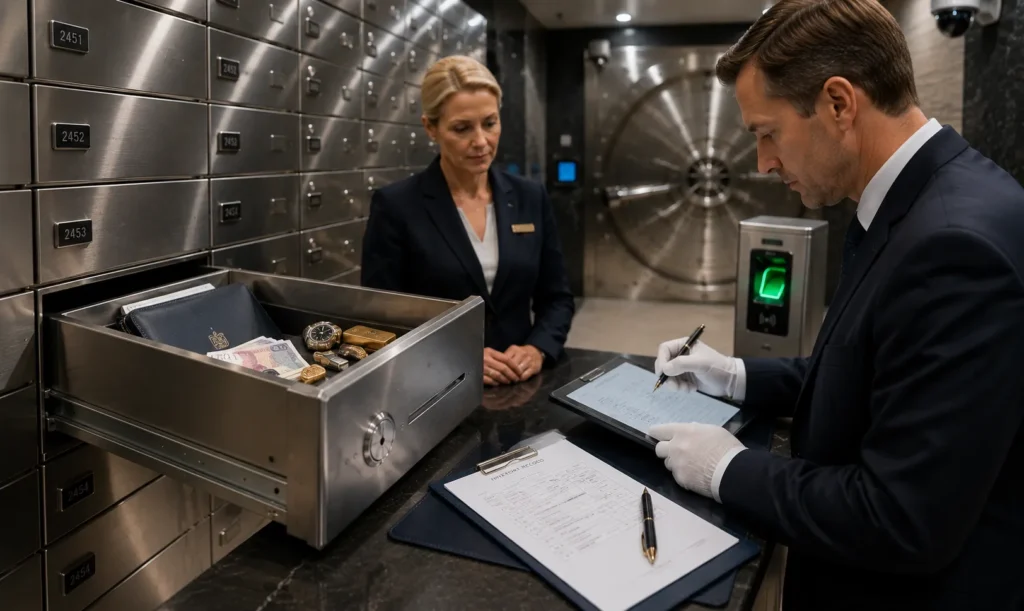
When authorities legally seize a safe deposit box, they follow a specific process to secure the box, examine its contents, and determine which items, if any, can legally be taken. The process is usually carried out under a warrant, court order, or other legal authority. While the exact procedure varies by jurisdiction, the main steps generally include:
- Authorities may provide the bank with legal authorization, and the box holder may be notified depending on the circumstances.
- The box may be sealed or access may be temporarily blocked.
- Authorities may open the box according to the legal order.
- All relevant contents are documented.
- Items connected to the investigation may be taken as evidence.
- Items that are not subject to lawful seizure may eventually be returned.
Can a Safe Deposit Box be Seized in a Divorce?
Yes. During a divorce, a safe deposit box may be opened, restricted, or seized in certain situations, depending on the applicable laws. During the divorce disclosure process, the court may require both spouses to disclose their financial assets stored in a safe deposit box. If there is concern that one spouse is hiding or transferring marital assets, a court may issue an order requiring the box to be opened, inspected, or restricted from further access.
Importantly, a divorce does not automatically mean the government or the other spouse can simply open the box. Usually, access must be based on consent, a court order, or another applicable legal procedure.
What Rights Does the Box Holder Have?
A safe deposit box holder may have certain legal rights if authorities access, search, or seize the box. These rights can vary depending on the country, the reason for the seizure, and the type of legal authority involved. In many cases, the box holder may have the right to receive notice that the box has been searched or seized, although notice can sometimes be delayed when an investigation could be affected.
The box holder may be able to challenge the seizure if they believe the authorities did not follow the proper legal process or did not have enough legal authority to take the property. They can usually seek legal representation to understand their rights and respond to the investigation or court proceedings. If authorities take property that is not legally subject to seizure, the holder may also have the right to request its return through the appropriate legal process.
While legal rights are important, many people also have practical questions about the safety of their belongings, such as are safe deposit boxes fireproof and whether they provide protection against other risks. Understanding both your legal rights and the physical security features of a safe deposit box can help you make informed decisions about storing valuable documents and possessions.
Also Read: Safe Deposit Box vs Home Safe: Which Is Better?
How to Protect Your Rights?
If you have a safe deposit box, keeping proper records and understanding your legal rights can help protect your property if the box is accessed, disputed, or seized. This is especially important during legal proceedings such as divorce, estate disputes, tax investigations, or criminal investigations.
- Keep Ownership Records: Keep receipts, purchase records, appraisals, photographs, and other documents that prove ownership of valuable items stored in the box.
- Maintain Copies of Important Documents: Keep secure copies of important documents stored in the box, such as property records, financial documents, insurance papers, and legal documents.
- Understand Your Bank’s Terms: Review the safe deposit box agreement to understand who can access the box, what happens if fees are unpaid, and how the bank handles legal orders or disputes.
- Consult a Lawyer When Authorities Seek Access: If authorities want to access or seize your box, consult a qualified lawyer who can explain your rights and advise you on the appropriate legal steps.
- Document the Contents: Where legally and practically appropriate, maintain a private record of valuable items kept in the box. This can provide proof of what was kept in the box if ownership is questioned later.
- Follow Legal Orders: If a court issues an order concerning the box, understand what it requires and seek legal advice before taking any action that could violate the order.
How Can The Post Vault Help You?
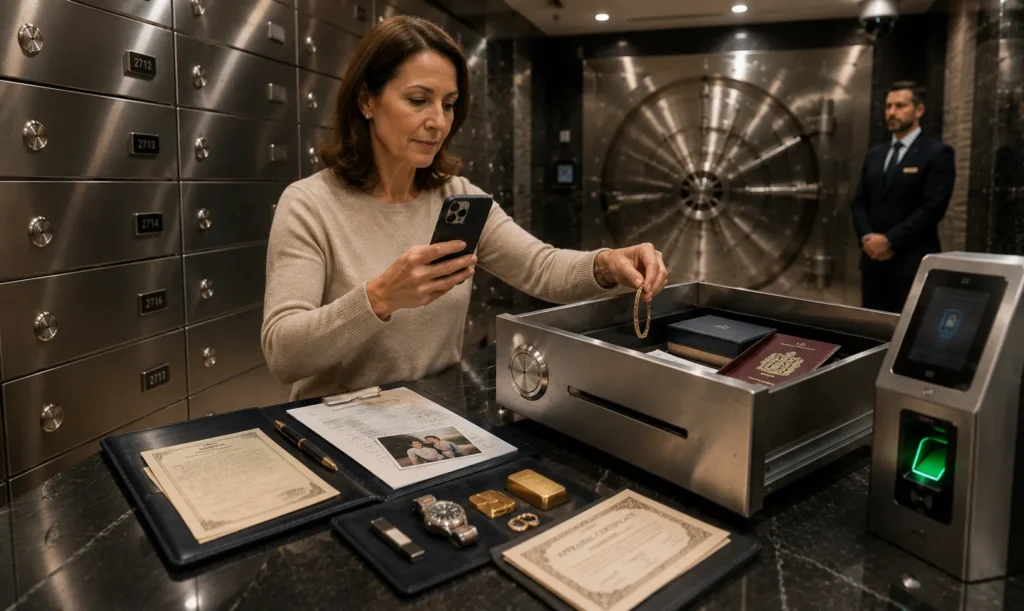
Your valuables deserve a secure and trusted environment. At The Post Vault we offer a safe space to store important documents, jewellery, valuables, and other belongings while helping you maintain your privacy. With secure storage and controlled access, you can keep your most important possessions protected and organized. Whether you’re safeguarding valuable assets or storing important documents for the long term we give you confidence that your belongings are being kept in a secure environment.
Conclusion
Safe deposit boxes offer privacy, security, and protection, but they are not completely beyond the reach of legal authorities. If you’re wondering can safe deposit boxes be seized, the answer is yes depending on the circumstances, applicable laws, and proper legal procedures. Knowing your rights, maintaining proper records, and selecting a trusted storage provider like The Post Vault can give you greater peace of mind when protecting your valuables.
Frequently Asked Questions
Can safe deposit boxes be seized by authorities?
Yes. Can safe deposit boxes be seized? In certain circumstances, authorities may legally access, freeze, or seize a safe deposit box through a warrant, court order, or other legal authority.
Can police access a safe deposit box?
Police may be able to access a safe deposit box when they have the required legal authorization. The specific requirements depend on the jurisdiction and circumstances of the investigation.
Can a safe deposit box be seized during a divorce?
Yes. A court may order access to or restriction of a safe deposit box if it may contain marital assets or if there are concerns that one spouse is hiding or transferring property.
Can tax authorities seize a safe deposit box?
In some circumstances, tax authorities may be able to access or seize assets stored in a safe deposit box when investigating issues such as unpaid taxes, undeclared assets, or tax evasion.
Do authorities always need a warrant to access a safe deposit box?
Not necessarily. A warrant may be required in many situations, but other legal processes, court orders, statutory powers, or consent may provide authority depending on the jurisdiction.
Can authorities seize all the items stored in a safe deposit box?
Not automatically. Authorities generally need legal grounds to seize particular property. Items that cannot legally be seized may be returned to the owner.