
You might think your valuables are completely private once they are locked away but are safe deposit boxes private enough to be truly untraceable? Safe deposit boxes offer a high level of security and privacy, but complete anonymity isn’t guaranteed. Your box can still be linked to you through official records, and in certain situations such as inheritance matters or legally authorized investigations it may be traced or accessed. So who can access your information and when can a box be traced? Let’s take a closer look.
Are Safe Deposit Boxes Private?
Safe deposit boxes are generally private, and bank employees do not normally inspect the contents of your box. However, there are specific situations in which the bank or authorized authorities may legally access or inspect it. This also raises an important question that are safe deposit boxes safe when it comes to privacy and security? In general, they provide strong physical protection and privacy, but they are still subject to legal requirements.
- Court Order: A court may authorize access to the safe deposit box as part of a legal proceeding or dispute.
- Search Warrant: Law enforcement may inspect or seize the contents of a box when a valid search warrant has been issued.
- Criminal Investigation: If the box is believed to contain evidence connected to a crime, authorities may gain access under applicable legal procedures.
- Estate or Probate Proceedings: When a box holder dies, authorized representatives or officials may access the box to identify and handle assets belonging to the estate.
- Government Seizure: Authorities may take control of a safe deposit box or its contents when permitted under laws relating to debts, taxes, forfeiture, or other legal enforcement actions.
- Suspicious or Prohibited Contents: If there are legal or regulatory concerns about items stored in the box, the bank may be required to take action or cooperate with authorities.
Safe deposit boxes offer privacy during normal use, but they are not completely protected from lawful access by courts, law enforcement, or other authorized authorities.
Also Read: Can Safe Deposit Boxes Be Seized or Accessed by Authorities?
How Can a Safe Deposit Box be Traced?
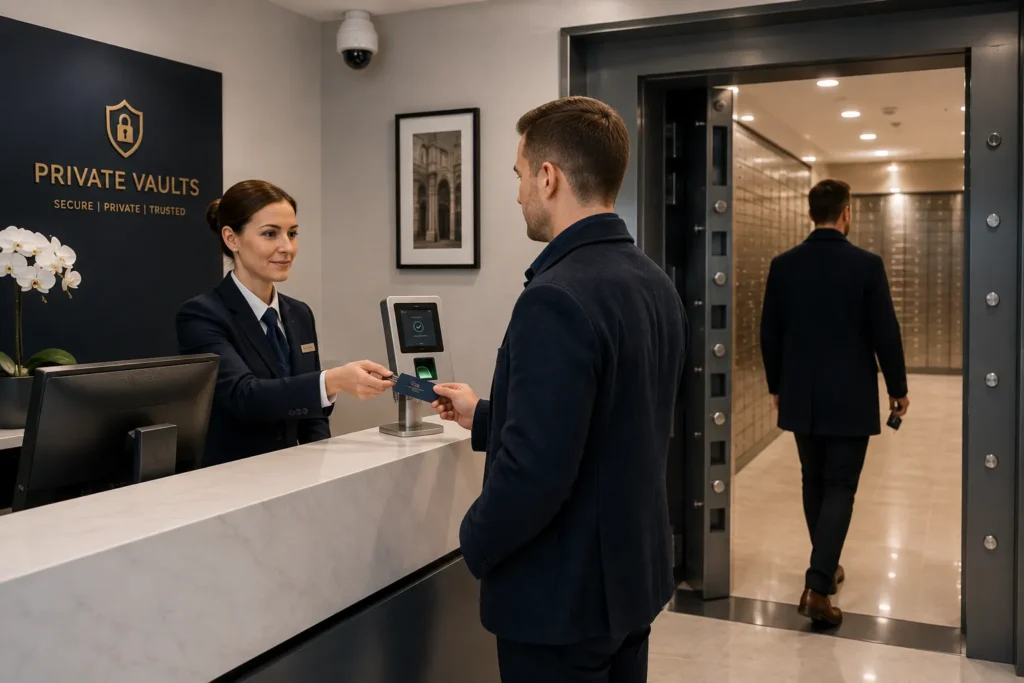
The next thing you might consider is that are safe deposit boxes traceable. While a safe deposit box can keep its contents private, the rental itself usually creates a record that can be connected to the renter. Banks need this information for identification, account management, security, and legal compliance. This means the contents may remain unknown to the bank, but the box can still leave a clear administrative trail.
The Box Is Registered to the Renter
When you rent a safe deposit box, the bank records your identity and links it to the box through a rental agreement. Authorized users or co renters may also be recorded, making it possible to identify who has legal access to the box.
Banks Maintain Rental Records
Banks generally keep administrative records associated with the box, such as the rental agreement, customer identification, payment history, and information about authorized users. These records can establish who rented or was authorized to use the box.
Access Activity May Be Recorded
Depending on the bank and local requirements, access to a safe deposit box may be documented. The provider records may include the date and time of entry and information identifying the person who accessed the box.
The Box Can Be Linked to Legal Records
If a court, law-enforcement agency, or other authorized authority obtains the required legal permission, relevant bank records may be used to identify the renter or establish an access history.
Also Read: What Is a Safe Deposit Box and How Does It Work?
Are Safe Deposit Boxes Fireproof?
Are safe deposit boxes fireproof? This is another important question when deciding where to store valuable belongings. Safe deposit boxes can provide protection against fire, but fireproof should not be assumed. The level of fire resistance depends on the construction of the box, the vault, the building, and the facility’s fire-protection systems.
If you are storing important documents, jewellery, bullion, photographs, or other sensitive items, ask the provider specifically about fire resistance, temperature protection, and insurance or liability coverage.
What Happens to the Contents?
The contents of a safe deposit box generally remain under the renter’s responsibility. The bank usually does not insure or automatically take responsibility for the items stored inside. If the box is damaged, sealed, or accessed under legal authority, the contents may be handled according to the bank’s agreement and applicable law.
Are Private Vaults More Secure than Bank Safe Deposit Boxes or Home Safes?
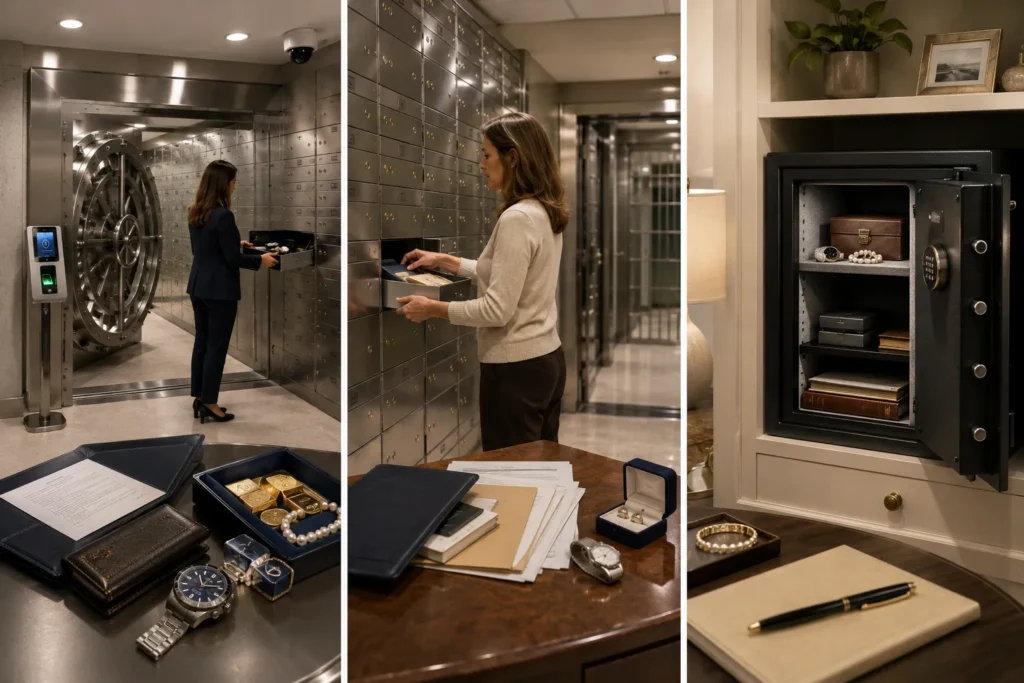
| Features | Private Vault | Bank Safe Deposit Box | Home Safe |
|---|---|---|---|
| Security | Multiple layers of professional security | Strong bank security | Depends on the safe and home security |
| Privacy | Generally high | Private, but linked to bank records | High within your home |
| Access | Often flexible | Usually limited to bank hours | Immediate access |
| Theft Protection | Designed for valuable asset protection | Strong protection | Depends on type of safe |
| Best For | High-value assets and specialised storage | Documents, jewellery, and valuables | Everyday valuables and convenient access |
Private vaults, safe deposit boxes vs home safes: which option offers better protection for your valuables? All of them can protect valuable belongings, but they offer different levels of security, privacy, accessibility, and protection. A private vault is specifically designed for secure asset storage and can provide multiple layers of professional security. Compared with keeping valuables at home or using a traditional bank safe deposit box, a private vault may offer greater flexibility and specialized protection.
Also Read: What Security Features Should a Safe Deposit Box Have?
Why Choose The Post Vault?
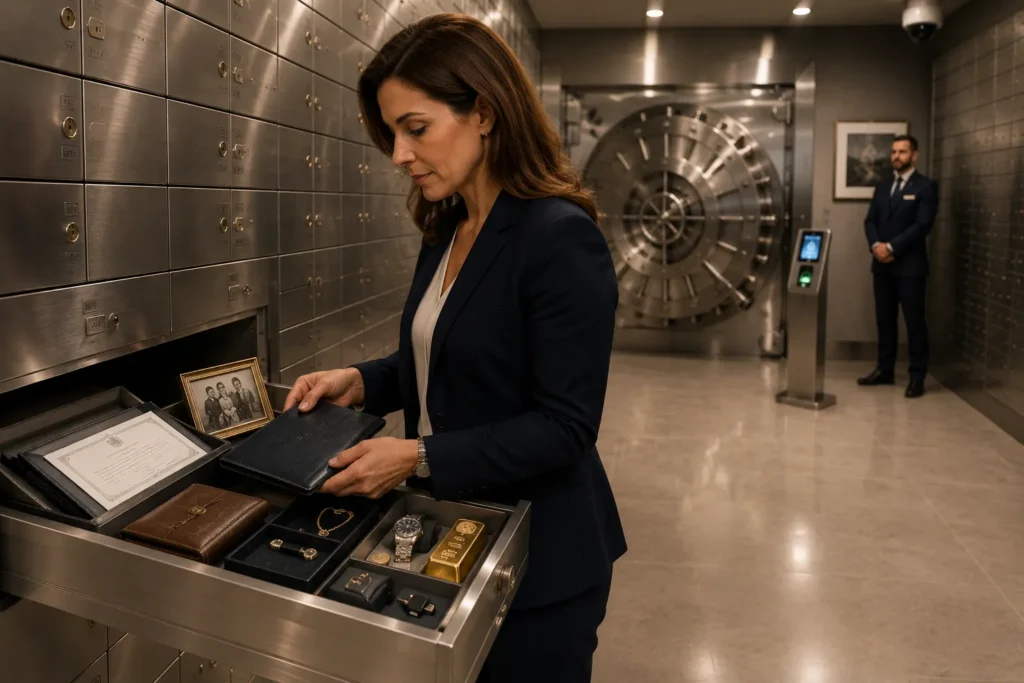
When privacy and security matter, The Post Vault offers a secure alternative to traditional storage options. Designed for people who want greater control over their valuables, our private vault provides a combination of professional security, privacy, and flexible access. Whether you are protecting precious metals, important documents, jewellery, or other high value assets we provide a secure and private storage solution built around your needs.
Also Read: Benefits of Short Term Safe Deposit Box Rental
Conclusion
So, are safe deposit boxes private? Yes, they offer a high level of privacy, but they are not completely anonymous or protected from lawful access. If you want greater privacy, flexible access, and dedicated protection for high-value assets, a private vault such as The Post Vault can be a secure alternative. Ultimately, the right choice depends on your security and storage needs.
Frequently Asked Questions
Are safe deposit boxes traceable?
Yes. While the bank typically does not know what is inside the box, the rental agreement, renter details, payment records, and access information can create an administrative trail.
Can the government access a safe deposit box?
In certain circumstances, yes. Government or law-enforcement authorities may access or seize a box when legally authorized through applicable laws and procedures.
Are you watched when opening a safe deposit box?
Not usually in the sense of someone monitoring the contents of your box. However, banks may have security procedures and may record your visit or access activity for security and compliance purposes.
Who knows that you have a safe deposit box?
The bank or vault provider knows that you have a safe deposit box because your identity and rental agreement are recorded. Authorized co-renters or users may also be listed. In certain legal circumstances, authorized authorities may obtain information about the box.
Is a private vault more secure than a home safe?
A private vault can provide multiple layers of professional security and specialized protection that may be difficult to replicate at home. However, the right option depends on your security, accessibility, and storage requirements.